
forest, nature, save forests, sri lanka, Sri Lanka, tourism, travel
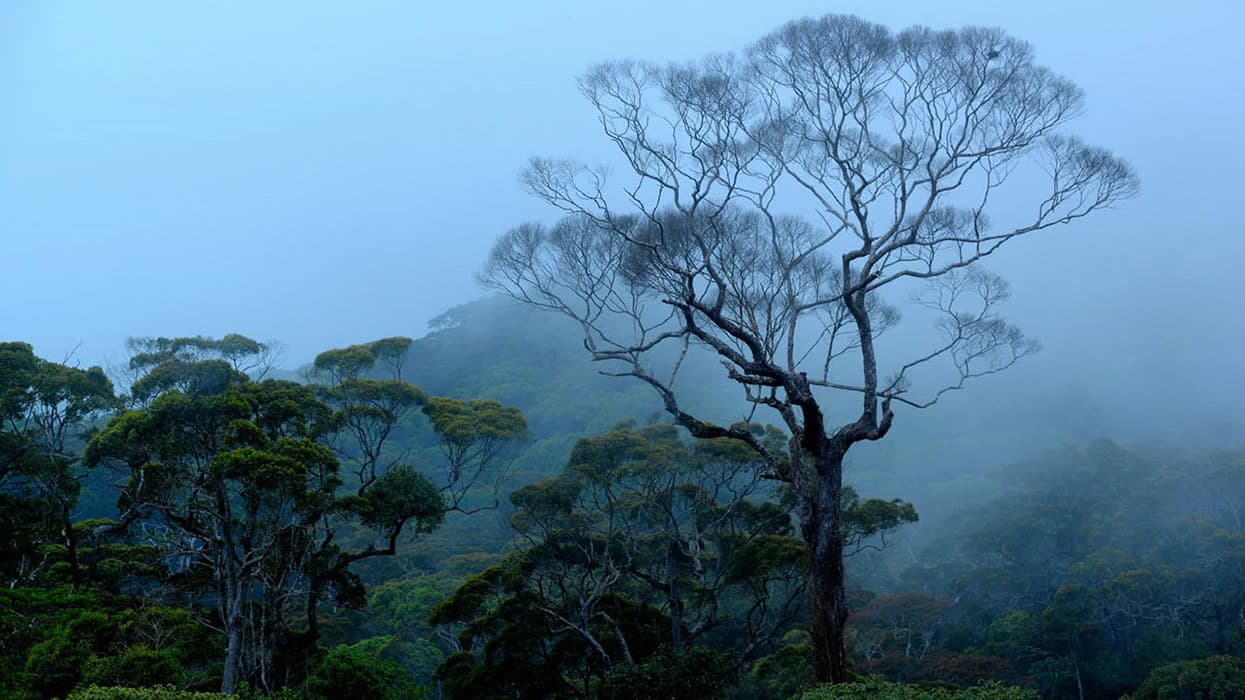
Beautiful Sri Lankan landscape

🌳 Forests in Sri Lanka

Discover how local communities play a vital role in managing and protecting forests.

Forests in Sri Lanka

-The Living Green Heart of the Island -

Sri Lankan is a place to explore the rich, diverse, and vital ecosystems that form the green heart of our island. Forests in Sri Lanka are more than just collections of trees they are dynamic living systems that support biodiversity, sustain livelihoods, protect watersheds, and shape the cultural and ecological identity of the nation.

From misty highlands to dry lowlands, and from tropical rainforests to coastal mangroves, Sri Lanka’s forests play a central role in both environmental stability and human well-being. Protecting and restoring them is not just a matter of conservation — it is essential for the country’s sustainable future.

A Rich Forest Heritage

Sri Lanka has long been recognized as one of the most ecologically diverse countries in South Asia. Despite its relatively small land area, the island contains a remarkable variety of forest types, each shaped by altitude, rainfall, and soil conditions. These include:

  • Tropical rainforests in the wet zone
  • Dry monsoon forests in the lowland interior
  • Montane cloud forests in the central highlands
  • Riverine and gallery forests along waterways
  • Mangrove forests along coastal lagoons and estuaries

Each of these forest types supports its own unique ecosystems and provides a range of ecological services that benefit both nature and people.

Forest Cover and Decline

Historically, a large portion of Sri Lanka was covered by dense forests. However, over the past century,forest cover has steadily declined, primarily due to:

  • Agricultural expansion and plantation development
  • Urbanization and infrastructure projects
  • Illegal logging and encroachment
  • Mining and unsustainable land use
  • Shifting climate conditions

Currently, forest cover in Sri Lanka is estimated to be less than 30% of total land area, with certain forest types—such as lowland rainforests and mangroves—particularly vulnerable. This decline threatens not only biodiversity but also long-term water security, disaster resilience, and rural livelihoods.

Forest Conservation in Sri Lanka

Recognizing the importance of its forest resources, Sri Lanka has taken significant steps to protect and manage its forests. These include:

  • Establishing a network of protected areas such as national parks, forest reserves, and sanctuaries
  • Implementing forest conservation laws and environmental regulations
  • Promoting reforestation and afforestation programs
  • Supporting community-based forest management and agroforestry initiatives
  • Participating in global climate and biodiversity agreements

Agencies such as the Forest Department and Department of Wildlife Conservation along with NGOs, researchers, and local communities, are working together to restore degraded forest lands and promote sustainable forest practices.

How You Can Help

Protecting Sri Lanka’s forests is a collective responsibility Whether you are a student, traveller, business owner, or policy-maker, there are many ways you can contribute:

  • Support eco-friendly tourism and products
  • Participate in tree planting and habitat restoration programs
  • Reduce your ecological footprint and promote sustainable living
  • Advocate for strong environmental laws and policies
  • Educate others about the value of forests

Every action — big or small — can help preserve the forests that protect us all.

Sri Lankan is a place to explore the rich, diverse, and vital ecosystems that form the green heart of our island. Forests in Sri Lanka are more than just collections of trees they are dynamic living systems that support biodiversity, sustain livelihoods, protect watersheds, and shape the cultural and ecological identity of the nation.

From misty highlands to dry lowlands, and from tropical rainforests to coastal mangroves, Sri Lanka’s forests play a central role in both environmental stability and human well-being. Protecting and restoring them is not just a matter of conservation — it is essential for the country’s sustainable future.

A Rich Forest Heritage

Sri Lanka has long been recognized as one of the most ecologically diverse countries in South Asia. Despite its relatively small land area, the island contains a remarkable variety of forest types, each shaped by altitude, rainfall, and soil conditions. These include:

  • Tropical rainforests in the wet zone
  • Dry monsoon forests in the lowland interior
  • Montane cloud forests in the central highlands
  • Riverine and gallery forests along waterways
  • Mangrove forests along coastal lagoons and estuaries

Each of these forest types supports its own unique ecosystems and provides a range of ecological services that benefit both nature and people.

Forest Cover and Decline

Historically, a large portion of Sri Lanka was covered by dense forests. However, over the past century,forest cover has steadily declined, primarily due to:

  • Agricultural expansion and plantation development
  • Urbanization and infrastructure projects
  • Illegal logging and encroachment
  • Mining and unsustainable land use
  • Shifting climate conditions

Currently, forest cover in Sri Lanka is estimated to be less than 30% of total land area, with certain forest types—such as lowland rainforests and mangroves—particularly vulnerable. This decline threatens not only biodiversity but also long-term water security, disaster resilience, and rural livelihoods.

Forest Conservation in Sri Lanka

Recognizing the importance of its forest resources, Sri Lanka has taken significant steps to protect and manage its forests. These include:

  • Establishing a network of protected areas such as national parks, forest reserves, and sanctuaries
  • Implementing forest conservation laws and environmental regulations
  • Promoting reforestation and afforestation programs
  • Supporting community-based forest management and agroforestry initiatives
  • Participating in global climate and biodiversity agreements

Agencies such as the Forest Department and Department of Wildlife Conservation along with NGOs, researchers, and local communities, are working together to restore degraded forest lands and promote sustainable forest practices.

How You Can Help

Protecting Sri Lanka’s forests is a collective responsibility Whether you are a student, traveller, business owner, or policy-maker, there are many ways you can contribute:

  • Support eco-friendly tourism and products
  • Participate in tree planting and habitat restoration programs
  • Reduce your ecological footprint and promote sustainable living
  • Advocate for strong environmental laws and policies
  • Educate others about the value of forests

Every action — big or small — can help preserve the forests that protect us all.

No blog articles found in this category.