
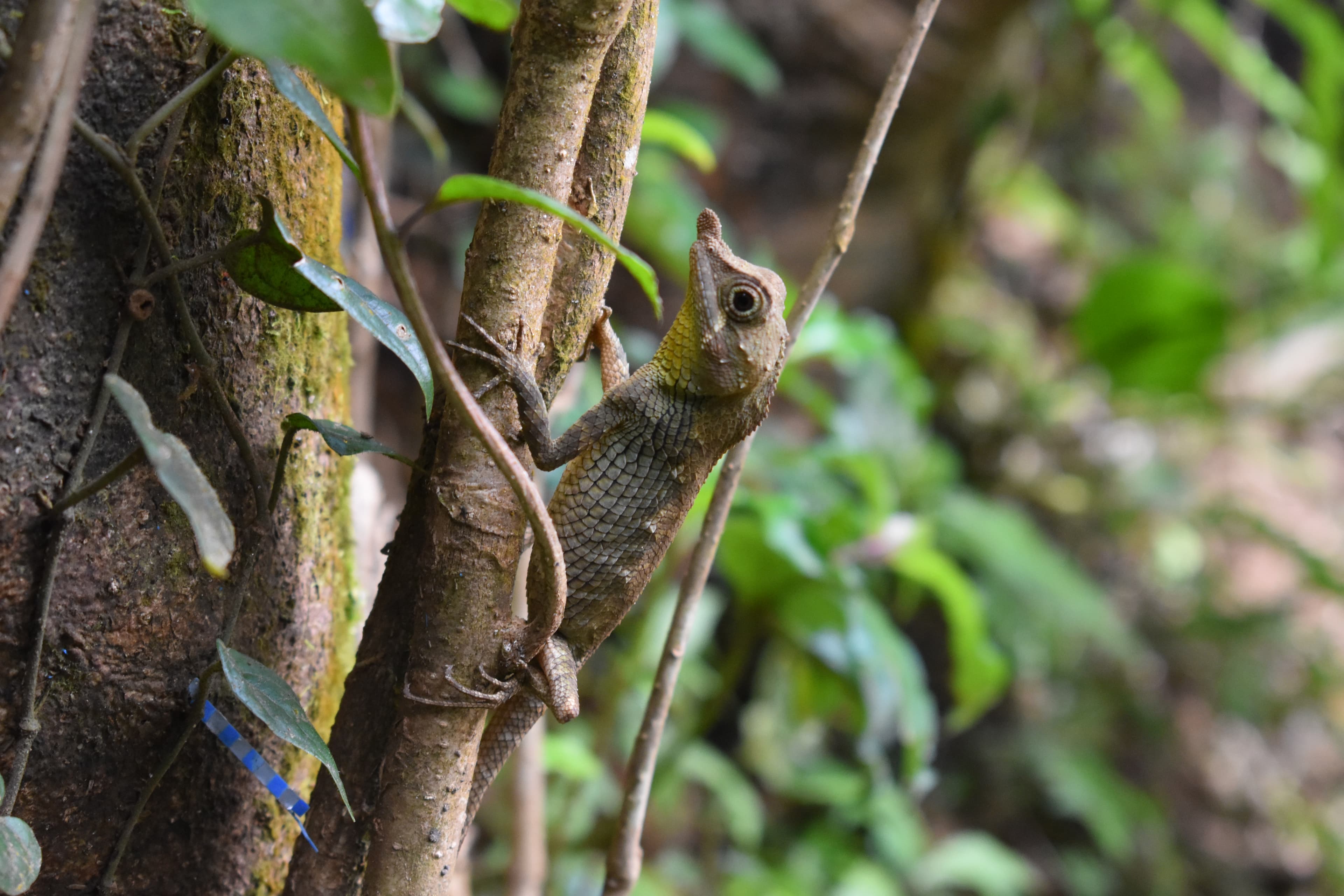
🐘 Biodiversity in Sri Lanka
Learn about forest acts, regulations, and enforcement that safeguard biodiversity and promote sustainable use of resources.
Biodiversity in Sri Lanka
- Celebrating the Natural Wealth of the Island -Welcome to our Biodiversity in Sri Lanka page — your window into one of the most ecologically rich and biologically diverse nations on the planet. This page is dedicated to showcasing the unique natural heritage of our island, highlighting its global significance, and emphasizing the urgent need to protect and preserve it for future generations.
Though small in size, Sri Lanka plays an outsized role in the global story of biodiversity. With an extraordinary variety of ecosystems packed into a compact landscape, the island is a natural treasure trove supporting countless life forms — many of which are found nowhere else on Earth.
🌍 What Makes Sri Lanka’s Biodiversity Special?
Sri Lanka is internationally recognized as one of the world’s biodiversity hotspots. This status is not just about the number of species but also the endemic uniqueness of life here. From cloud forests and wetlands to coral reefs and lagoons, each ecosystem holds its own web of life.
Biodiversity thrives not only in wilderness but also in village gardens, rice paddies, sacred groves, and urban green spaces — reflecting a deep relationship between people and nature.
🌱 The Role of Biodiversity in Everyday Life
- Ecosystem Services: Clean air and water, soil fertility, climate regulation, and pollination for agriculture.
- Food Security: Diverse plants and microorganisms ensure resilient farming systems.
- Health & Medicine: Many traditional and modern medicines come from native plants and fungi.
- Culture & Identity: Deeply woven into Sri Lanka’s festivals, folklore, and way of life.
- Economic Value: From eco-tourism to agriculture, biodiversity underpins major industries.
🌳 Ecosystem Diversity Across the Island
- Tropical rainforests
- Dry zone forests and scrublands
- Montane cloud forests and grasslands
- Freshwater wetlands, rivers, and lakes
- Mangroves and estuaries
- Marine ecosystems: coral reefs and seagrass beds
⚠️ Threats to Biodiversity
- Habitat Loss & Fragmentation due to agriculture, urban growth, and infrastructure.
- Climate Change disrupting rainfall and species distributions.
- Pollution from pesticides, plastics, and industrial waste.
- Overexploitation: logging, overfishing, and poaching.
- Invasive Species competing with native wildlife.
🌿 Conservation Efforts and Progress
Sri Lanka has a long history of conservation, from ancient traditions to modern science. Protected areas include national parks, forest reserves, and marine sanctuaries.
- Reforestation and wetland recovery projects
- Research and species monitoring
- Eco-tourism and sustainable land use
- Environmental education and awareness
- Green corridors to reconnect habitats
- Policies and international agreements to safeguard biodiversity
🤝 The Role of Communities
Conservation goes beyond policies — it requires the involvement of local communities, Indigenous groups, and traditional farmers. Community-based initiatives in Sri Lanka have successfully protected habitats, managed eco-tourism, and revived traditional knowledge.
📢 A Call to Action
- Support sustainable tourism and local products
- Reduce waste and carbon footprint
- Participate in tree planting and clean-up drives
- Educate others about biodiversity
- Advocate for environmental-friendly policies
Thank You
Thank you for visiting our Biodiversity in Sri Lanka page. By being here, you’ve already taken the first step toward awareness and action. Together, we can safeguard Sri Lanka’s natural heritage — not just as a national treasure but as a vital part of our planet’s living web of life.
No blog articles found in this category.